
Human rights lawyers play a crucial role in advocating for justice and equality. They fight tirelessly to protect the rights of individuals, especially those who are marginalized or oppressed. Their work often extends beyond the courtroom, influencing public policy and raising awareness about significant human rights issues in society. As defenders of justice, these legal professionals are vital in ensuring that the basic rights of every individual are respected and upheld. For more information, you can visit human rights lawyer https://human-rightslawyer.com.
Understanding Human Rights Law
Human rights law refers to the body of international and domestic laws designed to promote and protect the basic rights and freedoms to which all individuals are entitled. It encompasses various rights, including civil, political, economic, social, and cultural rights. Human rights lawyers interpret these laws and advocate for individuals whose rights have been violated, providing a voice to the voiceless.
The Responsibilities of a Human Rights Lawyer
The responsibilities of human rights lawyers are vast and varied. They may handle cases involving discrimination, torture, unjust imprisonment, and violations of the right to free speech. A significant part of their role includes legal representation in courts, providing counsel to victims of human rights abuses, and preparing legal briefs and documents.
Moreover, human rights lawyers often engage in advocacy efforts, working with non-governmental organizations (NGOs), community groups, and governmental bodies to influence legislation and policy changes. They participate in international human rights monitoring and reporting, ensuring that governments are held accountable for their actions.
The Challenges They Face
The work of human rights lawyers is often fraught with challenges and dangers. In many parts of the world, advocating for human rights can be perilous. Lawyers may face threats, harassment, and violence from those in power aiming to silence dissent. Despite these risks, many human rights lawyers are undeterred, fueled by a deep commitment to justice and human dignity.
Emotional and Psychological Toll
In addition to the physical dangers, human rights lawyers often deal with emotional and psychological challenges. Witnessing extreme suffering and injustice can take a toll on one’s mental health. It is crucial for these legal professionals to have support systems in place and engage in self-care strategies to cope with the emotional weight of their work.
Landmark Cases and Their Impact
Throughout history, human rights lawyers have been instrumental in landmark cases that have led to significant changes in laws and societal norms. For instance, the case of Brown v. Board of Education in the United States, which challenged racial segregation in schools, relied heavily on the work of dedicated civil rights attorneys. Similarly, international cases brought before the International Criminal Court (ICC) have addressed war crimes and crimes against humanity, highlighting the essential role of human rights legal advocacy on a global scale.
Training and Skills Required
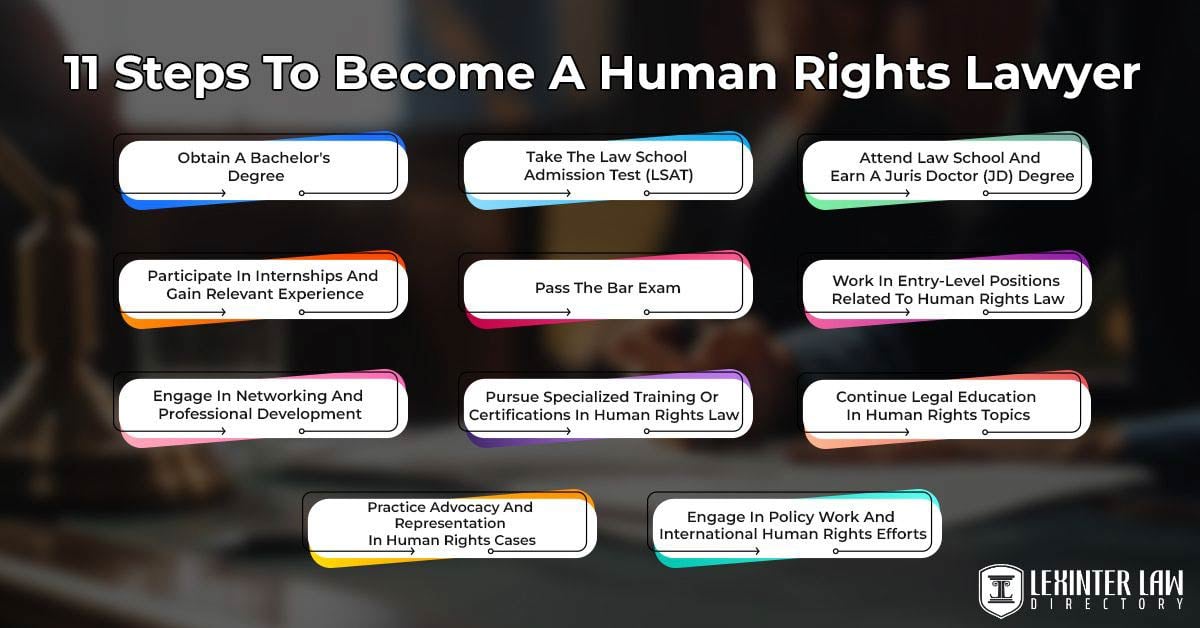
Becoming a human rights lawyer requires a strong educational background in law, along with specialized training in human rights issues. Many lawyers pursue internships or volunteer work with organizations focused on civil rights to gain practical experience. Essential skills include strong analytical abilities, effective communication, negotiation skills, and a deep understanding of international human rights law.
Advocacy Beyond the Courtroom
Human rights lawyers do not limit their work to legal proceedings. Many engage in public speaking, writing articles, and participating in policy advocacy to raise awareness about human rights issues. They aim to educate the public and policymakers about the importance of human rights, thereby influencing societal attitudes and legislative frameworks.
Global Perspectives
The landscape of human rights law varies significantly across different regions and cultures. In some countries, lawyers face considerable obstacles, including restrictive laws against free expression and association. In contrast, other regions may have more robust legal frameworks supporting human rights advocacy. The diversity in legal approaches fosters a rich exchange of ideas and strategies among human rights lawyers globally.

Future of Human Rights Law
As the world evolves, so too do the challenges and areas of focus for human rights lawyers. Emerging issues such as climate change, digital privacy, and health rights highlight the need for innovative legal approaches. Human rights lawyers will increasingly need to engage with these contemporary challenges, ensuring that the rights of individuals are protected in rapidly changing environments.
Conclusion
The work of human rights lawyers is vital in promoting justice, equality, and accountability. They stand at the forefront of the fight against oppression and discrimination, working tirelessly to ensure that the fundamental rights of all individuals are respected and safeguarded. As society continues to grapple with new challenges, the role of human rights lawyers will remain indispensable in advocating for a just and equitable world.