
Understanding International Sanctions Litigation and Appeals Processes
In today’s globalized environment, international sanctions have become an essential tool for states to achieve foreign policy objectives. However, these sanctions can greatly affect individuals and entities, leading to a surge in International Sanctions Litigation & Appeals as affected parties seek redress and clarity regarding their legal standing.
The Nature of International Sanctions
International sanctions are restrictive measures imposed by countries or international organizations aimed at influencing political or economic behavior. These measures can include economic sanctions, trade restrictions, travel bans, and diplomatic isolation, often targeting governments, organizations, or individuals deemed to threaten global peace and security.
Sanctions can be imposed for various reasons, including human rights abuses, terrorism, nuclear proliferation, and violations of international law. While the primary aim is to compel compliance and effect change, the consequences can be far-reaching, impacting not just the sanctioned entity but also third-party nations and global markets.
Legal Frameworks Governing Sanctions
The legal frameworks governing sanctions vary depending on the country and the international organizations involved. In the United States, for instance, sanctions may stem from legislation passed by Congress, executive orders, or regulations enforced by the Office of Foreign Assets Control (OFAC). In the European Union, sanctions are adopted through common positions or joint actions, which member states are obliged to implement.
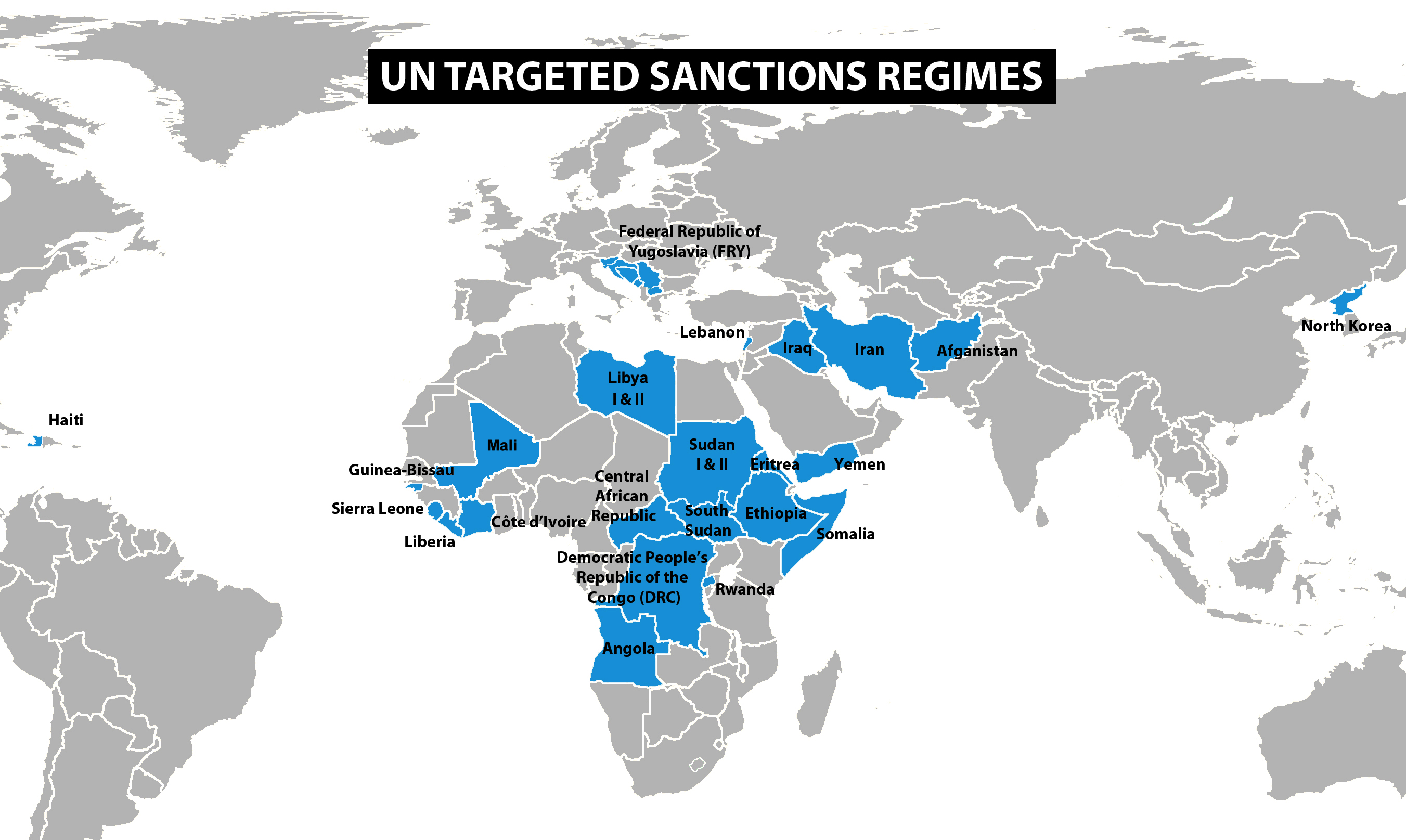
International law also plays a significant role, with the United Nations Security Council being a prominent player in the establishment of multilateral sanctions. It is essential to understand the different legal regimes to navigate the complexities of sanctions litigation effectively.
The Role of Litigation in Sanctions
Litigation concerning international sanctions involves legal action taken by individuals or entities affected by these measures. Such litigation may challenge the legality of sanctions, seek damages for economic loss, or appeal against government decisions that enforce sanctions. Common areas of litigation include:
- Administrative Review: Challenging the sanctions’ basis and the procedures followed by the government.
- Civil Claims: Seeking compensation for financial losses incurred due to the sanctions.
- Judicial Review: Contesting the legality of sanctions imposed against specific individuals or entities.
Each of these types of litigation requires a deep understanding of both the legal and factual issues at stake, making it critical for affected parties to enlist experienced legal counsel in this arena.
Appeals Process in Sanctions Cases
The appeals process in sanctions litigation allows affected parties to challenge lower court decisions or government actions. This aspect of litigation can be intricate, often involving procedural complexities that vary widely by jurisdiction.
For instance, in the United States, a party may appeal a decision through the federal court system, with potential further review by the Supreme Court. In the EU, individuals may challenge sanctions before the General Court, with the possibility of an appeal to the Court of Justice of the European Union. It is critical to be aware of the applicable deadlines and procedural requirements, as failure to comply can have significant implications on the right to appeal.
Key Considerations for Affected Parties
There are several key considerations for individuals and entities involved in sanctions litigation and appeals:
- Legal Expertise: Given the intricate nature of sanctions laws, the expertise of legal counsel is indispensable. Legal professionals who specialize in international law and sanctions regulations can offer invaluable guidance throughout the litigation process.
- Evidence Gathering: A strong case in sanctions litigation relies heavily on robust evidence that can substantiate claims against the imposition of sanctions. Gathering the right documentation and testimonies can significantly strengthen a case.
- Public Relations: The reputational implications of being subject to sanctions necessitate a strategic communication plan. Engaging with public relations professionals can help manage media narratives and maintain stakeholder trust during litigation.
- Long-term Strategy: Litigation can be a lengthy process, requiring patience and a long-term strategy. Affected parties should be prepared for potential legal battles that may span months or even years.
Conclusion
International sanctions litigation and appeals represent a critical avenue for individuals and entities affected by geopolitical decisions. Understanding the legal frameworks, litigation processes, and key considerations can empower affected parties to navigate this challenging landscape more effectively. The complexities of international sanctions demand a proactive approach, and with the right legal counsel and strategic planning, it is possible to challenge these measures successfully.
Ultimately, as the global political landscape continues to evolve, so too will the dynamics of international sanctions. Staying informed and prepared for potential legal challenges will be essential for those impacted by these powerful tools of international relations.