
In today’s globalized economy, understanding Sanctions Compliance & Risk Advisory is crucial for organizations operating across borders. As countries impose various sanctions for political or economic reasons, businesses must ensure they navigate these challenges effectively. This article provides a comprehensive overview of sanctions compliance, its significance, and strategic advisory measures that can mitigate risks.
What are Sanctions?
Sanctions are coercive measures taken by countries or international organizations to influence a change in behavior of a certain target. These can range from trade restrictions, asset freezes, travel bans, and other economic barriers that impact individuals, organizations, or entire nations. The underlying goal of sanctions is often to enforce international laws, human rights compliance, or similar standards.
The Importance of Sanctions Compliance
For businesses, sanctions compliance is not merely a legal obligation; it is essential for maintaining reputation and avoiding financial penalties. Non-compliance can lead to severe consequences, such as hefty fines, loss of licenses, reputational damage, and restrictions on business operations. Moreover, with an increasing number of jurisdictions implementing their own sanctions regimes, the compliance landscape has become more complex.
Legal Frameworks
The legal frameworks for sanctions can vary significantly from one jurisdiction to another, making compliance a challenging task. Organizations must stay informed about both local and international regulations like those from the United Nations, European Union, and U.S. Office of Foreign Assets Control (OFAC). This multifaceted landscape necessitates comprehensive risk advisory services to ensure adherence.
Risk Identification and Assessment
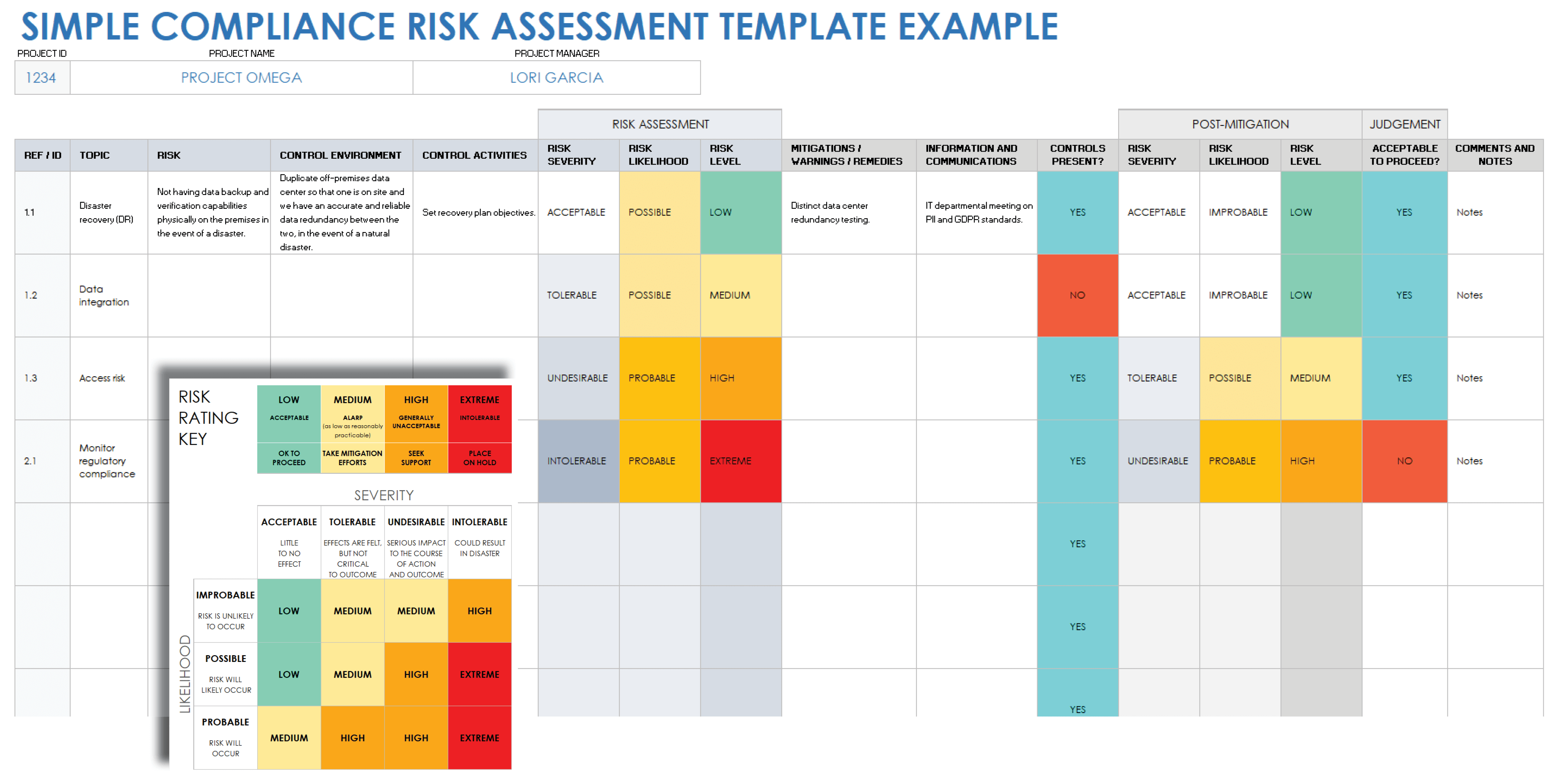
A fundamental component of effective sanctions compliance is the identification and assessment of risks associated with various business activities. This includes understanding the nature of clients, transactions, geographic locations, and potential third-party risks. By systematically assessing these factors, companies can create a risk profile that informs their compliance strategy.
Conducting Risk Assessments
Implementing periodic risk assessments allows organizations to evaluate their current exposure to sanctions risks actively. Organizations can utilize a variety of methods to conduct these assessments, including:
- Internal audits and compliance reviews
- Third-party risk assessments
- Monitoring changes in sanctions lists and regulations
- Assessing the nature of business relationships and customer due diligence
Developing a Compliance Program
Following risk assessment, organizations should develop a robust compliance program that addresses identified risks effectively. A well-structured compliance program generally includes:
- Clear policies and procedures regarding sanctions compliance
- Regular training and education for employees
- A designated compliance officer or team
- Regular monitoring and updating of compliance practices and policies
Training and Awareness
One of the most critical components of a compliance program is employee training. Staff members at all levels must be aware of the implications of sanctions and their role in compliance. Training can help employees recognize red flags in transactions and understand the procedures for reporting concerns.

Implementing Monitoring Mechanisms
Continuous monitoring is necessary to adapt to changing regulations and to ensure the effectiveness of compliance programs. Organizations should utilize technology and manual practices to monitor transactions, screen relevant parties against sanctions lists, and identify any connections to sanctioned entities.
Case Management Systems
Leveraging technology through case management systems can streamline the compliance process. These systems can automatically flag transactions that may require further scrutiny based on built-in rules and databases. This greatly reduces the risk of human error and speeds up the compliance process.
Consulting with Experts
Due to the complexity and constantly evolving nature of sanctions, consulting with compliance and risk advisory experts is essential. Specialized firms can offer tailored strategies, insights into best practices, and support in navigating specific regulatory landscapes.
Furthermore, engaging with legal counsel who specializes in sanctions compliance can preemptively address potential legal issues and provide schools of thought on ambiguous regulatory stipulations.
Conclusion
In summary, sanctions compliance and risk advisory is not just a regulatory requirement; it is a vital aspect of modern business operations. Organizations must address the intricacies of compliance proactively, employing thorough risk assessments, robust compliance programs, regular training, and monitoring mechanisms. With the assistance of knowledgeable professionals, businesses can navigate these challenges effectively and safeguard their operations against the risks associated with sanctions violations. As the international landscape continues to change, staying updated and adaptable will be essential in maintaining compliance and protecting organizational interests.